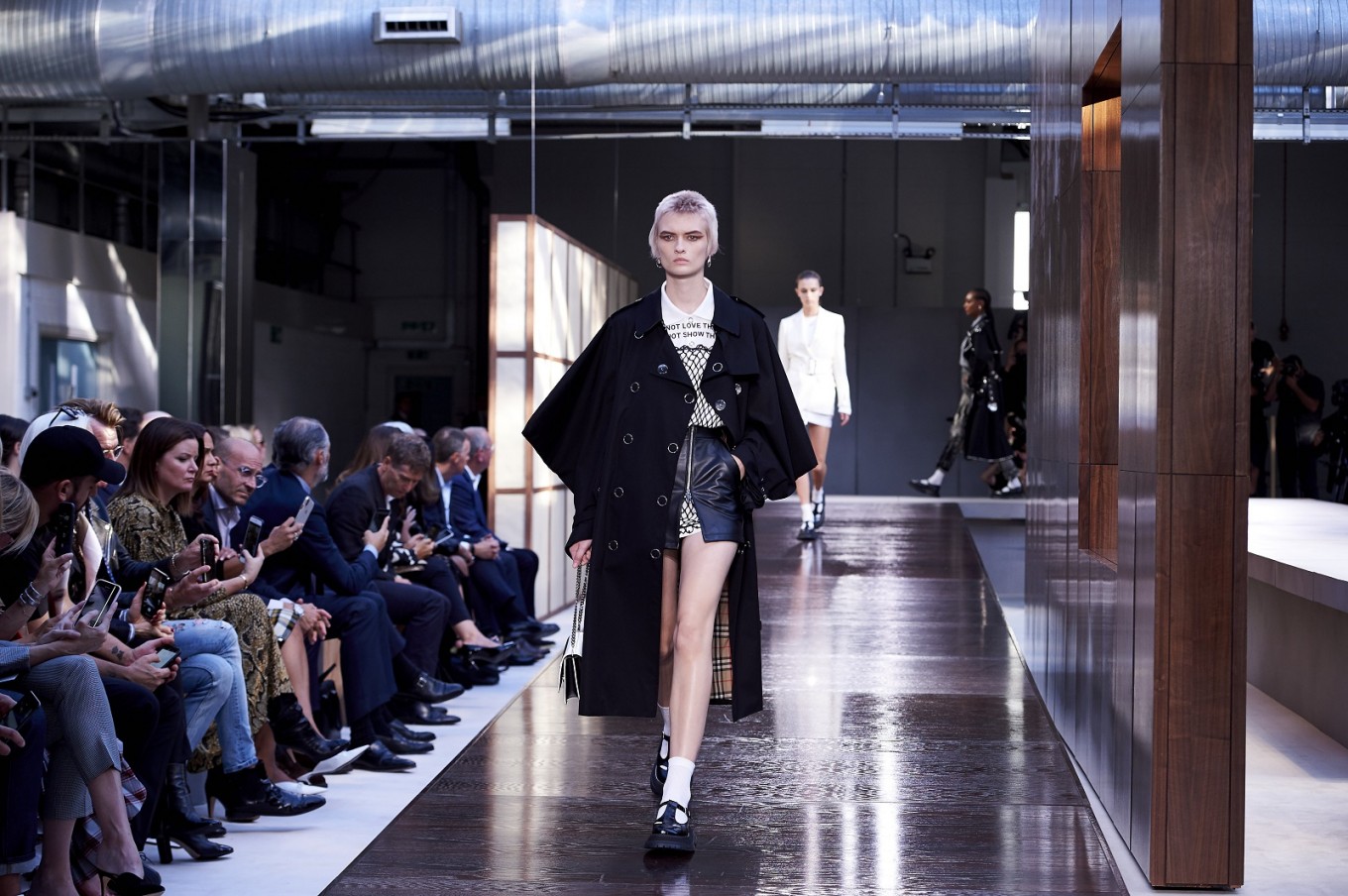
Riccardo Tisci occupies a unique space where elite fashion meets street culture, merging the exclusivity of luxury labels with the credibility of urban aesthetics. Across the past twenty years, Tisci has not only moved between these worlds but has reshaped their limits, turning luxury streetwear into a worldwide force. As the creative director of distinguished fashion houses like Givenchy and later Burberry, Tisci’s influence extends broadly, resonating with designers, celebrities, and consumers.
Early Development and the Origins of a Hybrid Style
Riccardo Tisci’s early years set the stage for his innovative aesthetic. Raised in Italy and educated at Central Saint Martins in London, he drew inspiration from both European couture and the dynamism of street culture. His grounding in rigorous tailoring provided a foundation for precision, while his exposure to London’s avant-garde streetwear scene infused a rebellious spirit into his approach.
When Tisci assumed the role of creative director at Givenchy in 2005, the fashion world was already witnessing a shift. Hip hop, skate culture, and youth-driven communities were beginning to influence high-end fashion, but the integration remained superficial. Tisci recognized an opportunity: to fuse the codes of couture with the energy and accessibility of streetwear.
Signature Aesthetics and Key Collections
Tisci’s Givenchy collections from 2005 to 2017 are often recognized for propelling luxury streetwear into the global spotlight, introducing oversized graphic sweatshirts, trainers, leather biker jackets, and sports‑luxe tailoring to the Paris catwalks. Signature elements such as Rottweiler and Doberman prints, basketball‑inspired details, and striking gothic visuals quickly evolved into cult favorites. The Spring/Summer 2011 menswear collection, distinguished by its use of religious iconography and baseball‑tinged silhouettes, marked a pivotal turning point. It reshaped the landscape of menswear and subtly dissolved traditional gender boundaries, promoting unisex expression long before it became a widespread movement.
His approach to branding was equally transformative. Tisci heavily utilized logos, statement graphics, and unconventional textiles—combining neoprene, mesh, wool, and velvet within single pieces. Such experimentation elevated otherwise casual garments into highly sought-after status symbols, frequently seen on cultural tastemakers from Kanye West to Jay-Z and Rihanna.
The Influence of Celebrity Endorsements and the Fusion of Pop Culture
Tisci’s impact is closely tied to his calculated bonds with leading pop culture figures, and his friendship with Kanye West proved especially influential, as he created West’s stage outfits for the Watch the Throne tour and outfitted Kim Kardashian for her 2014 wedding; these highly visible appearances reinforced the stature of luxury streetwear across red carpets and live performances, and once Beyoncé, A$AP Rocky, and Madonna stepped out in his bespoke designs, the blend of streetwear and high fashion gained undeniable cultural authority.
Unlike other designers, Tisci also made a point of collaborating with leading athletes and street culture influencers, bringing their visual language into Givenchy and later Burberry. This consistent dialogue between high fashion and urban authenticity further blurred the lines between street style and the runway.
Redefining the Runway and Brand Identity at Burberry
Tisci’s tenure at Burberry, which began in 2018, brought his street-luxury vision into a celebrated British institution by blending urban flair with tradition. The brand’s signature trench coat was reshaped into modern streetwear staples, featuring bold monograms, vivid motifs, and generous proportions. By embracing digital-first campaigns and partnering with artists like Gosha Rubchinskiy and musicians such as Stormzy, Tisci connected the label with a wider, youthful global audience.
His debut collection for Burberry introduced “B Series”—limited-release, monthly drops inspired by streetwear culture’s focus on scarcity and hype, a model pioneered by brands like Supreme. These collections sold out within hours, demonstrating the effectiveness of applying streetwear’s business strategies to established luxury houses.
Transforming Conventional Luxury: Expanding Access and Promoting Democratization
A defining aspect of Tisci’s legacy is the democratization of luxury fashion. He recognized and embraced the cultural importance of inclusivity and diversity, frequently casting models of color and non-binary identities long before this became a wider industry standard. By making luxury more accessible through wearable designs and flexible price points, Tisci broadened the audience for heritage brands traditionally disconnected from youth culture.
Moreover, his adoption of digital innovation—leveraging Instagram teasers, influencer partnerships, and online-exclusive drops—prefigured how luxury brands connect with Gen Z and millennial consumers. These strategies have restructured the marketing and retail models of major fashion houses, allowing them to remain relevant in an era defined by immediacy and visual culture.
Heritage and Lasting Influence on Fashion’s Future
Riccardo Tisci’s ongoing impact on luxury streetwear continues to redefine design trends, shape global fashion markets, and influence how consumers engage with brands. His blend of street-inspired language with refined haute couture techniques has motivated a new wave of designers, among them Virgil Abloh, Heron Preston, and Matthew Williams. These successors uphold Tisci’s vision, seamlessly balancing authenticity with ambition and pairing exclusivity with a broad, universal appeal.
Fashion’s landscape has fundamentally transformed: the boundary separating streetwear and luxury is now nearly invisible, replaced by a continuum where creativity and cultural resonance are paramount. Riccardo Tisci’s visionary approach both anticipated and engineered this evolution, ensuring that the dialogue between haute couture and street culture remains vibrant and generative for years to come.