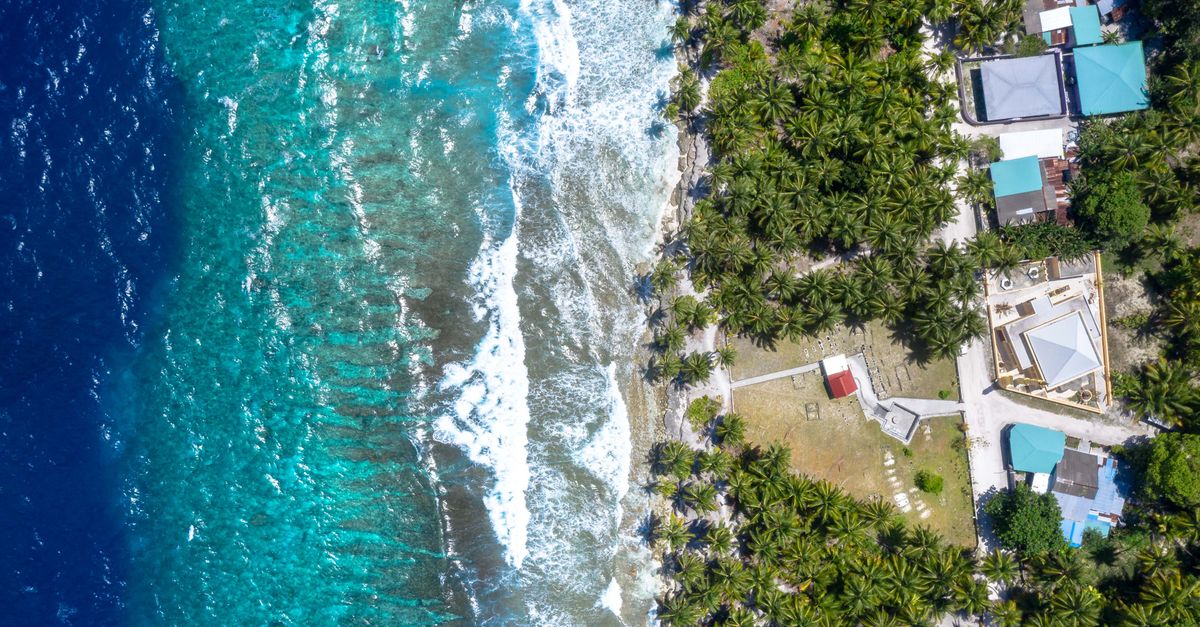
Grenada, the “Spice Isle” in the southeastern Caribbean with roughly 112,000 residents, depends heavily on coastal resources for economic wellbeing and community livelihoods. Tourism is a prime foreign-exchange earner and a major source of employment; at the same time the island’s beaches, coral reefs, mangroves, and seagrass beds provide both the natural attractions that bring visitors and the coastal protection that shields communities from storms and erosion. Corporate social responsibility (CSR) programs in the tourism sector have increasingly focused on linking job creation to ecosystem stewardship — a convergence that strengthens both people and place.
Coastal pressures and the rationale for tourism-led CSR
Storms, rising seas, sediment buildup, overfishing, and coral disease all pose serious risks to Grenada’s coastline and the sectors that depend on it. The island’s encounter with Hurricane Ivan (2004) and other severe weather events demonstrated how rapidly natural resources and livelihoods can be affected. Within this context, tourism companies, destination organizations, and international partners are motivated to fund coastal protection because:
- Healthy ecosystems stimulate tourism interest: clear waters, vibrant reefs, and well‑preserved beaches draw divers, snorkelers, and hotel visitors.
- Protection limits operational exposure: stabilizing the shoreline and strengthening coastal systems helps reduce potential storm damage to resorts, ports, and nearby communities.
- Employment and capabilities expand: well‑planned conservation efforts can train and hire local residents for reef restoration, guiding, hospitality, and businesses tied to natural attractions.
How tourism CSR translates into jobs and coastal protection
Tourism CSR in Grenada operates along several practical pathways:
- Funding and sponsorship: hotels and tour operators fund coral nurseries, beach replenishment and mangrove planting through direct grants, guest donations, or a portion of revenues.
- Skills training and employment: hospitality training, dive-master and guide certification, and technical courses in restoration create qualified local employees and alternative incomes for fishers and youth.
- Local procurement and value chains: sourcing spices, cocoa and seafood for hotels creates market links for farmers and fishers that reduce reliance on extractive behaviors and diversify incomes.
- Community-based enterprise development: support for small guesthouses, guided eco-tours and handicraft enterprises widens tourism benefits beyond large resorts.
- Collaborative marine management: tourism businesses co-fund scientific monitoring, enforcement and awareness campaigns that underpin marine protected areas and sustainable use zones.
Concrete cases and initiatives
Moliniere Underwater Sculpture Park (diver attraction and ecological pilot): Positioned just off the west coast near Grand Anse, this underwater sculpture park has evolved into a hallmark of how artistic expression, tourism activity and coral rehabilitation can intersect. The submerged works draw both divers and snorkelers, supporting employment for dive teams, boat staff and local guides, while providing durable surfaces that encourage coral settlement. The area illustrates how innovative, tourism-oriented initiatives can enrich the visitor journey and contribute to reef renewal.
Blue Halo Grenada (marine spatial planning and community engagement): An initiative developed with international partners and government stakeholders mapped marine resources, engaged fishers and tourism operators, and designed zoning and management measures to balance conservation with livelihoods. The process created paid opportunities for local specialists in data collection, monitoring, and enforcement and helped lay the groundwork for more resilient coastal tourism operations.
Belmont Estate and cocoa-based tourism (local value chains and jobs): Belmont Estate is an operational example of blending agriculture, heritage and tourism. Its cocoa processing tours, farm-to-table activities and hospitality services provide stable local employment, expand the island’s gastronomy tourism offer, and raise the economic returns to small-scale farmers — reducing pressure on coastal resources by improving inland livelihoods.
Hotel-supported coral nurseries and mangrove restoration: Numerous resorts and operators across the island back coral nurseries, finance reef restoration efforts, and collaborate with local NGOs to expand mangrove planting. These programs provide both immediate and long-term employment — ranging from nursery specialists and dive maintenance teams to community educators and seasonal staff involved in planting and monitoring — while strengthening coastal resilience.
Supporting fishers as they move into tourism services: Training initiatives backed by the project have enabled several fishing communities to broaden their livelihoods by licensing small boat operators to offer snorkeling and island excursions, a change that eases pressure on reef fisheries while delivering higher-value and often steadier seasonal earnings for those involved.
Tangible advantages and economic connections
Tourism-driven CSR in Grenada generates measurable social and ecological co-benefits:
- Job creation: the dive, snorkel and experiential tourism sectors support skilled and semi-skilled employment—dive masters, boat crews, guides, hospitality staff and conservation technicians.
- Income diversification: integrating agriculture (spices, cocoa) into tourism supply chains increases farmgate incomes and keeps value on-island.
- Coastal protection outcomes: restored coral and replanted mangroves increase shoreline stability, reduce erosion, and improve fish habitat—advantages that lower risk for tourism infrastructure and local housing alike.
- Strengthened governance: CSR partnerships commonly fund monitoring, community outreach and co-management mechanisms that enhance compliance with marine protected areas and fishing regulations.
Challenges and limits
Despite notable progress, several constraints continue to shape results:
- Scale and sustainability of funding: numerous CSR initiatives remain short-lived and centered on individual projects, while long-term financial support is essential to operate nurseries, maintain monitoring, and ensure enforcement.
- Equitable benefit distribution: guaranteeing that small enterprises, rural communities, and women effectively tap into tourism-derived income persists as a significant hurdle.
- Climate intensity: increasingly severe storms and rising ocean temperatures may outstrip restoration actions, demanding broader resilience strategies that extend beyond isolated sites.
- Coordination needs: optimizing overall impact depends on coherent collaboration among hotels, tour operators, government bodies, and NGOs; disjointed initiatives risk overlapping efforts or leaving critical voids.
Optimal strategies and routes for scalable growth
To strengthen the connection between tourism CSR, employment generation and coastal preservation, stakeholders are encouraged to prioritize:
- Long-term financing models: adopt blended funding, environmental charges or conservation trust funds to maintain restoration and monitoring well beyond typical project timeframes.
- Local capacity building: broaden accredited training for guides, dive experts and restoration technicians, ensuring defined certification routes and professional growth opportunities.
- Inclusive value chains: establish procurement practices that prioritize local suppliers (spices, cocoa, fish) while helping small businesses enhance operations and promotion.
- Science-based planning: align CSR investments with marine spatial information, risk analyses and clear ecological benchmarks so initiatives enhance both tourism potential and coastal resilience.
- Transparent benefit-sharing: guarantee that communities obtain consistent income and have a voice in decisions related to marine and coastal initiatives.
Grenada’s experience illustrates that tourism CSR can serve as an effective link between economic prospects and environmental care when initiatives deliberately connect employment with the vitality of coastal ecosystems. Imaginative efforts ranging from underwater sculpture parks that draw divers to blue economy planning that protects the future of both fishing and tourism reveal how private-sector investment, community participation and evidence-based management can yield shared benefits. The long-term strength of these outcomes rests on steady financing, inclusive decision-making and flexible approaches capable of addressing escalating climate pressures. When tourism development elevates local expertise, strengthens supply networks and supports resilient natural systems, it not only safeguards a destination but also upholds livelihoods, reinforces cultural heritage and helps ensure that the shoreline remains a collective asset for generations of Grenadians and visitors.