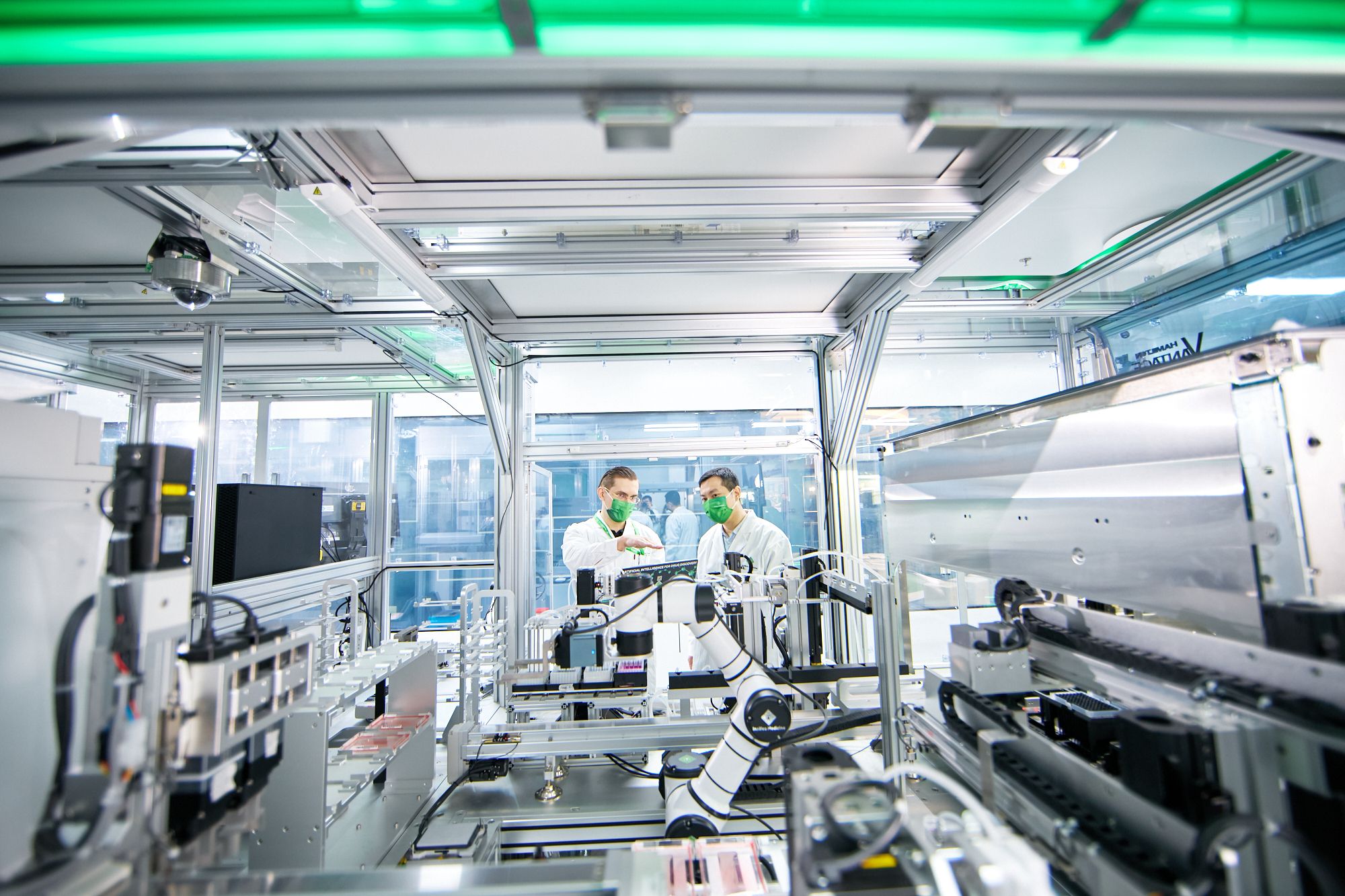
Bio-manufacturing uses living cells, enzymes, or biological systems to produce materials, chemicals, foods, and medicines. Fermentation-based production is a core pillar of this field, relying on microorganisms such as bacteria, yeast, and fungi to convert feedstocks into valuable outputs. Once limited mainly to pharmaceuticals and food ingredients, these approaches are now expanding into fuels, materials, agriculture, and consumer goods. Several powerful trends are accelerating this shift.
Climate Pressure and the Push for Low-Carbon Manufacturing
One of the strongest drivers is the global need to reduce greenhouse gas emissions and resource intensity. Traditional petrochemical manufacturing is energy-intensive and dependent on fossil inputs. Bio-manufacturing offers pathways to lower emissions by using renewable feedstocks and milder processing conditions.
Examples include:
- Bio-based chemicals, including bio-ethanol, bio-butanol, and bio-acetic acid, increasingly taking the place of their fossil-derived versions.
- Fermentation-driven manufacturing of organic acids and solvents, which industry life-cycle assessments indicate can cut overall emissions by roughly 30 to 70 percent when compared with traditional petrochemical methods.
- Carbon utilization strategies in which microbes transform captured carbon dioxide into fuels or specialized chemicals.
As companies encounter tighter environmental disclosure rules and expanding carbon pricing policies, fermentation-based production emerges as both an environmentally responsible option and a financially strategic one.
Progress in Engineered Biological Systems and Metabolic Design
Rapid progress in synthetic biology has transformed what microbes can produce and how efficiently they can do it. Tools such as CRISPR-based genome editing, automated strain design, and high-throughput screening enable precise control over metabolic pathways.
Key impacts include:
- Engineered yeast capable of generating intricate compounds such as cannabinoids, distinctive fragrances, and specialized lipids.
- Bacteria refined to deliver substantial outputs of amino acids, enzymes, and vitamins essential for feed and food applications.
- Accelerated development timelines, with strain enhancement periods dropping from multiple years to just a few months.
These breakthroughs lower technical uncertainty and boost scalable production, allowing fermentation to succeed with items once viewed as prohibitively complex or costly.Growing Interest in Eco‑Friendly Nutrition and Next‑Generation Protein Sources
Food systems are under pressure from population growth, land scarcity, and consumer demand for sustainability. Fermentation-based production plays a central role in the development of alternative proteins and novel food ingredients.
Notable trends include:
- Precision fermentation generating dairy proteins, egg proteins, and fats without relying on animals.
- Mycoprotein and microbial biomass used directly as high-protein food components.
- Functional ingredients like enzymes, flavorings, and texturizers created through fermentation to elevate plant-based foods.
Investment in fermentation-focused food technologies has surged, with billions of dollars backing startups dedicated to protein diversification and food security.
Resilience and Localization of Supply Chains
Global disruptions have exposed vulnerabilities in centralized, fossil-based supply chains. Bio-manufacturing offers more flexible and distributed production models.
Fermentation facilities are able to:
- Operate at smaller scales closer to end markets.
- Use locally available feedstocks such as sugar, agricultural residues, or industrial by-products.
- Adapt production to different outputs using similar infrastructure.
This flexibility is especially attractive for pharmaceuticals, specialty chemicals, and food ingredients where reliability and responsiveness are critical.
Economic Improvements and Scale-Up Maturity
Historically, fermentation-driven manufacturing encountered significant cost hurdles at large scale, but recent advances in bioreactor engineering, downstream refinement, and process optimization have greatly strengthened its economic viability.
Leading developments encompass:
- Expanded, high‑efficiency bioreactors designed to enhance oxygen transfer while cutting energy use.
- Continuous fermentation systems that boost overall output and minimize operational pauses.
- Refined purification methods that significantly decrease both water and energy demands.
As a result, fermentation has become more competitive with chemical synthesis, especially for intricate or high‑value products.
Supportive Policy, Investment, and Corporate Strategy
Government policies and corporate commitments are also shaping the landscape. Many countries now recognize bio-manufacturing as a strategic industry for economic growth and sustainability.
Key factors shaping this area include:
- Public funding for bio-economy initiatives and pilot-scale infrastructure.
- Regulatory pathways tailored to biologically produced ingredients and materials.
- Corporate sustainability targets that favor bio-based sourcing and long-term supply agreements.
Large chemical, food, and consumer goods companies are increasingly partnering with or acquiring bio-manufacturing startups to accelerate adoption.
Digitalization and Data-Guided Bioprocessing
The integration of artificial intelligence, advanced sensors, and data analytics is improving predictability and performance in fermentation processes.
Typical applications encompass:
- Machine learning models that continually fine-tune fermentation parameters as processes unfold.
- Digital twins of bioprocesses designed to minimize risks during scale-up.
- Automated quality control systems that uphold uniformity from batch to batch.
These tools cut waste, boost overall output, and help make intricate biological operations easier to manage on an industrial scale.
Bio-manufacturing and fermentation-driven production are being accelerated by the combined pressures of environmental necessity, advancing technology, economic competitiveness, and growing societal expectations. Tools that once occupied a narrow scientific niche have transformed into a core manufacturing framework, reshaping the way materials, food products, and chemicals are created. As biological systems become increasingly programmable and production platforms more intelligent, fermentation is no longer regarded as a mere alternative to conventional manufacturing but as a primary driver of a more resilient, low-carbon industrial landscape.